
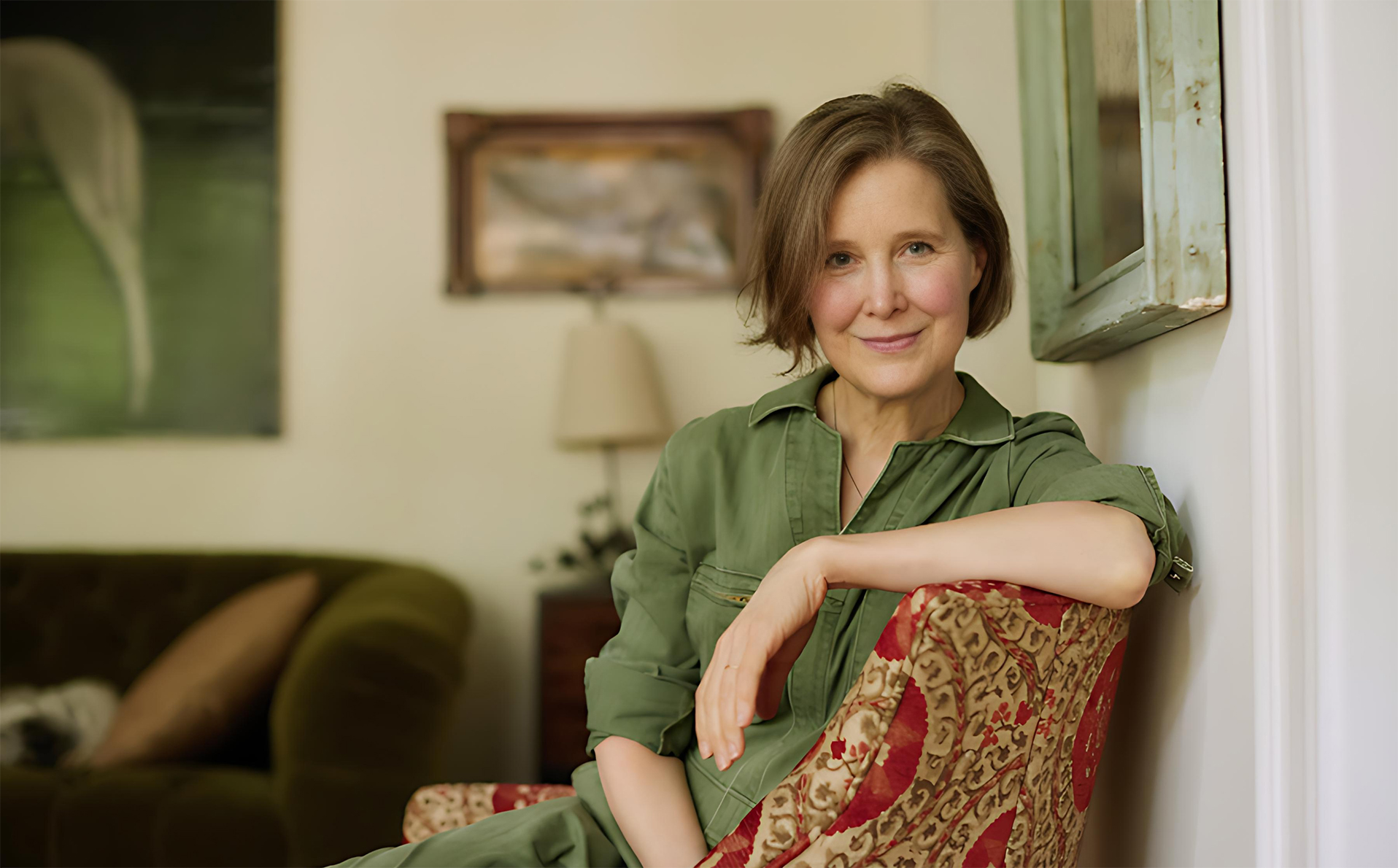
The Stories We Tell


Whether our memories of childhood are entirely accurate, or the stories we tell completely true, doesn’t matter. True or not, they inform our present, the way we move through the world, and how we perceive ourselves. One thing that becomes clear in Ann Patchett’s new novel, Whistler (Harper, 2026), is that our childhood selves never leave us.
Part of this has to do with storytelling. “As the human animal, we turn everything into story, and we tell those stories again and again over the course of our lives,” said Patchett in an April conversation with the Independent. “The stories we tell change and define us, but they’re not the verbatim truth. There wasn’t a court reporter there, thank God!”
The two characters at the heart of Whistler, Daphne Fuller and her long-estranged stepfather, Eddie Triplett, have been telling themselves the story of their time together for many years. When they are finally reunited, it is easy for them to pick up where they left off.
Their reunion brings up memories of a car crash Eddie and Daphne were in when she was a child, an event that precipitated Eddie’s divorce from Daphne’s mother. The novel’s structure moves between the present — Daphne as a 53-year-old woman, reconnecting with Eddie, now in his 70s — and the story of their being stuck in the car for hours in the middle of a blizzard many years before. During those hours, Eddie, an editor, tells Daphne a story that he is trying to get published about a horse named Whistler. The horse knows her owner, Mary, so well that all it takes is a quick whistle for her to come to Mary’s side. When Mary takes Whistler out in a storm to find a lost horse and suffers a terrible fall, it is Whistler who saves her.
Years later, when Eddie and Daphne are reunited, and Eddie’s health begins to fail, Daphne cares for him and takes him for chemo treatments. During those sessions, Daphne tells him a story: the story of what happened to her after she climbed out of the wrecked car and tramped through the snow to find help for Eddie, who couldn’t move because his ankle was broken.
Patchett, who has a penchant for getting her characters stuck, physically and metaphorically (a hostage situation in Bel Canto, the pandemic in Tom Lake, the house in The Dutch House), believes an authorial narrative voice is unnecessary in these trapped situations because that is when people tend to tell each other stories.
“Cars and chemo are the two best places to have conversations,” said Patchett, “because you are so open and honest and happy for the time, happy to be together.”
Patchett is the author of nine previous novels as well as two books of essays, a memoir, and three children’s books. She wrote her first novel, The Patron Saint of Liars, as a fellow at the Fine Arts Work Center in Provincetown in 1990-1991. “I was a waitress at TGI Friday’s in Nashville, living in my mother’s guest room, when I got the fellowship to go to Provincetown,” she said. “I didn’t waste a second of that time. I knew that fellowship was the only thing standing between me and being a waitress for a lot longer.” She finished the novel a couple of weeks before the fellowship ended and drove the manuscript straight to New York, where she found a publisher. Now, besides writing, she owns a bookstore called Parnassus in Nashville.


